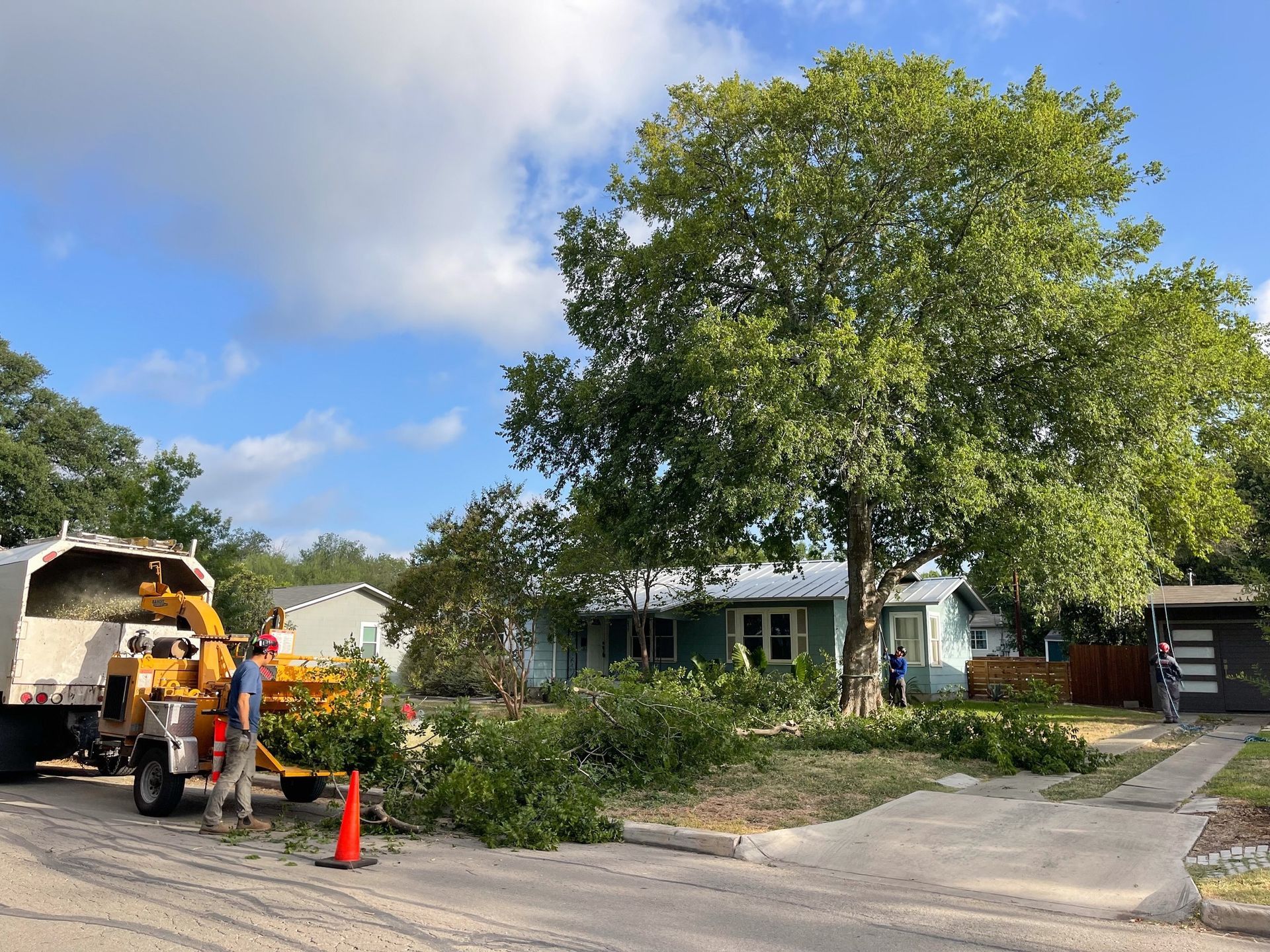
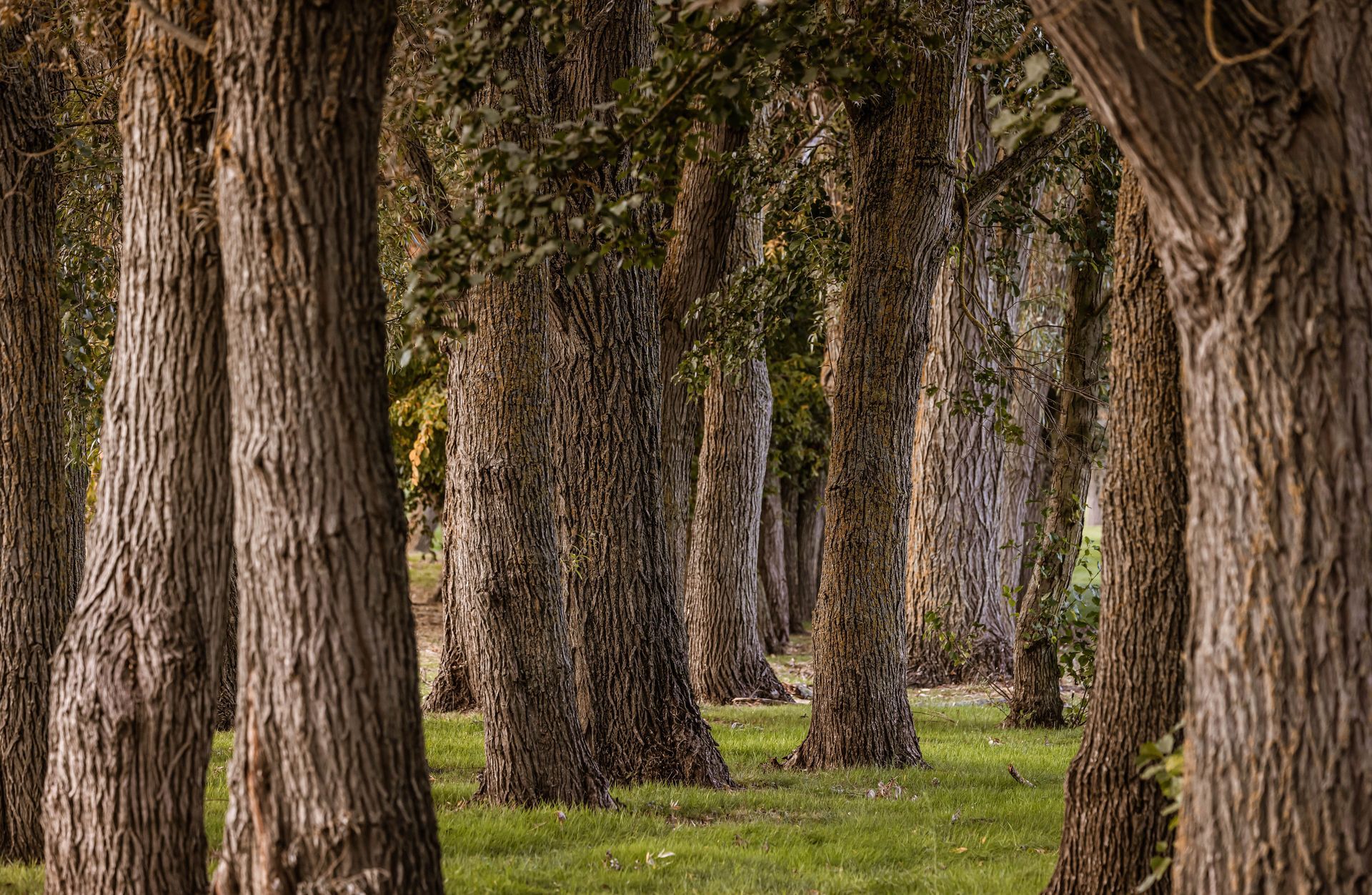
Living in Central Texas means living with live oaks, post oaks, cedar elms, pecans, and everything our weather throws at them: heat, drought, downpours, rocky soil, construction, insects, and disease.
If you have mature trees, you have almost certainly looked up and thought:
“What is that?”
“Is that supposed to look like that?”
“Is this tree dying?”
“Should I do something?”
Good tree care starts with understanding what you are looking at, not jumping straight to a chainsaw. This month we walk through a few things homeowners ask us about all the time.
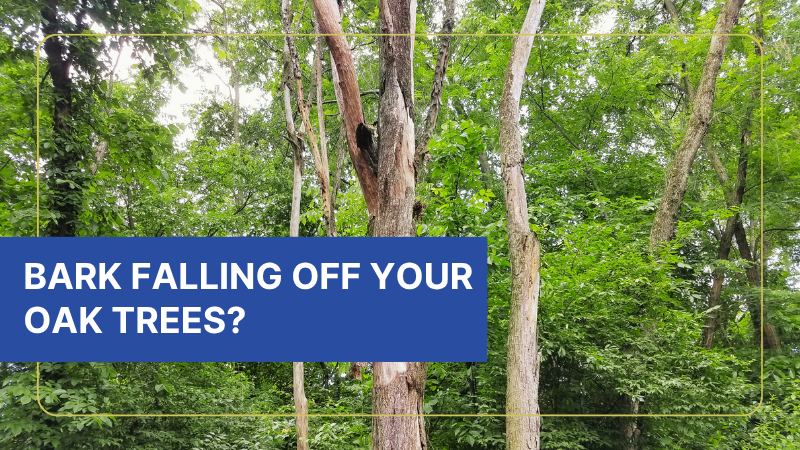
Bark Falling Off Your Oak?
Loose bark on an oak is worth a closer look. One common cause in Central Texas is Hypoxylon canker (now often called Biscogniauxia). It is an opportunistic fungus. It lives quietly in many trees and only takes over after the tree has already been weakened, drought, heat, root damage, construction, or grade changes.
As it progresses, bark loosens and sloughs off. Underneath you may first see a tan, olive, or powdery layer. Later that area can darken into a charcoal or silver-gray crust. By the time the crust is obvious, the wood under it is usually dead.
Bark loss does not automatically mean the tree has to come down. It does mean you should look at the whole tree, not just the patch:
• How much of the canopy is still full and green?
• Is dieback on one side or throughout?
• Is bark loss localized or wrapping the trunk?
• Are there cracks, cavities, or lean?
• Has there been drought, flooding, trenching, or construction nearby?
There is no spray that “cures” Hypoxylon once it is fruiting on the trunk. The useful work is diagnosis: how far has it gone, is the tree now a hazard, and can the rest of the tree and the oaks around it be protected by reducing stress?
If you see significant bark sloughing or a thinning canopy, have an arborist look at it before you assume the worst.
Daniel, one of our arborists, spends a lot of time helping homeowners sort “watch it” from “act now.”
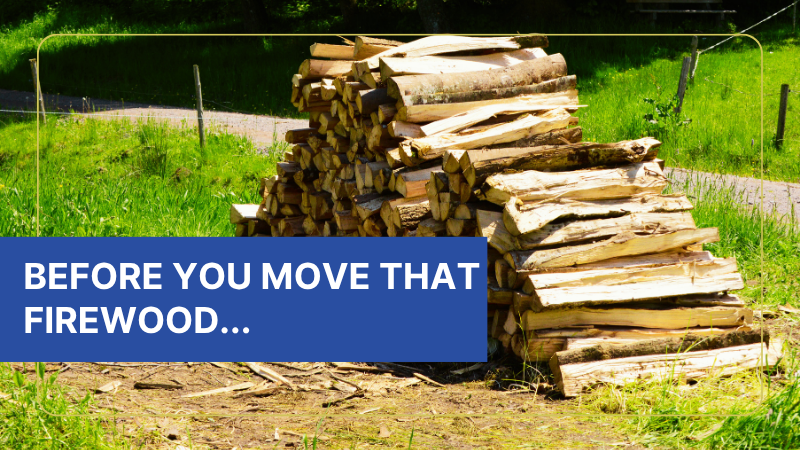
Before You Move That Firewood: Oak Wilt
Cooler evenings mean fire pits and somebody has to fetch the wood.
Oak wilt is one of the most serious diseases of native oaks in Central Texas. It spreads underground through grafted roots and aboveground when beetles carry spores to fresh wounds.
Those spores come from spore mats that form under the bark of certain diseased red oaks, not live oaks. The mat smells like fermenting fruit, cracks the bark open, and invites sap beetles. The beetles pick up spores and can carry them to a pruning cut, storm break, or a pile of unseasoned red oak firewood. Read what oak wilt spore mats look like and how they spread.
“It’s just firewood. The tree is already down” is how the problem travels.
A few simple rules:
• Know where oak firewood came from.
• Do not bring unknown or freshly cut oak wood onto a property with healthy oaks.
• Do not share leftover oak from a neighbor unless you know the source.
• Seasoned, fully dried wood is a lower risk than tight-barked, recently cut oak.
Firewood is only one piece. The other habits that actually protect a neighborhood:
• If a storm or a safety issue forces a cut, paint the wound promptly.
• Call early if a live oak shows veinal browning or a red oak drops leaves in a sudden wilt.
Protecting oaks is a community job. Before the trailer gets loaded, think oak wilt first.
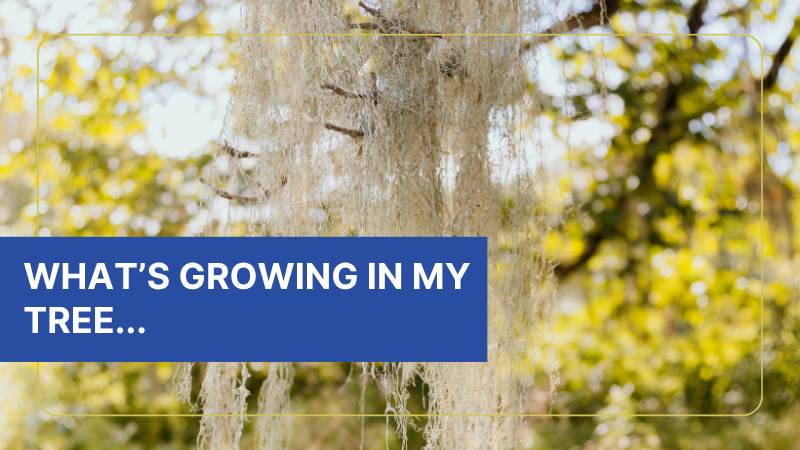
What's Growing in My Tree? Mistletoe, Ball Moss, or Spanish Moss?
Green clumps hanging from trees are a familiar sight across Central Texas, but they are not all the same and they don’t all affect your trees in the same way.
Mistletoe is a parasite. It takes water and nutrients directly from the tree. A few clumps on an otherwise healthy tree may not be a major concern, but a heavy infestation can add stress to a tree that is already weakened.
Ball moss is different. It is an epiphyte, which means it uses the tree for support but does not take nutrients from it. It gets much of its moisture from the air and is often blamed for tree decline that it did not actually cause. Heavy growth may still be worth addressing for appearance, added weight, or easier access to branches.
Spanish moss and lichens are also not parasites. They grow on the surface of bark without feeding on the tree. In most cases, their presence has more to do with local growing conditions, moisture, shade, and airflow than with the overall health of the tree.
The important thing is to identify what you’re seeing before deciding how to treat it. Sometimes that unusual growth is a sign that your tree needs attention. Other times, it’s simply part of the Central Texas landscape.
And if you happen to find yourself standing under the mistletoe this season… well, that calls for a different kind of tree advice.
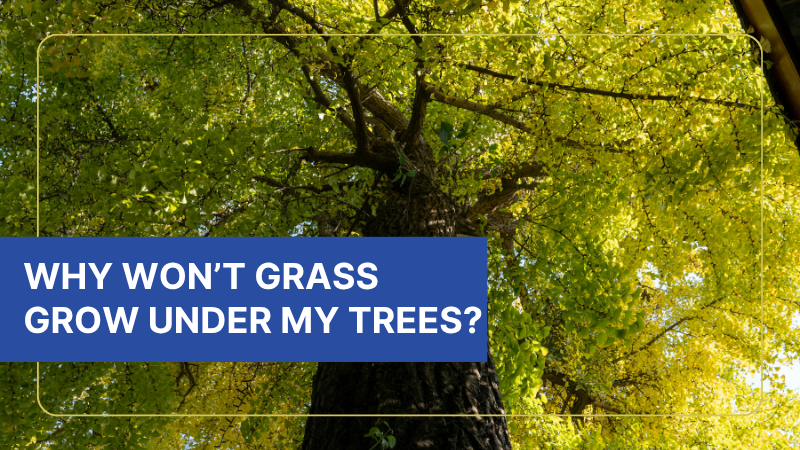
Why Won't Grass Grow Under My Trees?
Because the tree and the lawn are competing for the same light, water, and soil.
A mature canopy casts shade most turfgrasses cannot handle. The root system occupies a huge share of the topsoil. Under the drip line the ground is often drier, more compacted, and more acidic than the open lawn. Extra fertilizer and extra water rarely fix a shade-and-roots problem.
Sometimes the tree wins. That can be the right outcome. A large healthy oak is shade, value, and habitat. Fighting it with more St. Augustine is an expensive way to stay frustrated.
Better options are usually a wide mulch ring kept off the trunk, shade-tolerant groundcovers, or beds that follow the drip line instead of turf that never fills in.
Evan, our general manager, works with crews to look at the whole property not just the tree in isolation. The goal is a landscape that works with the tree.
Take 10 Minutes to Check Your Trees
One of the simplest ways to stay on top of tree care is to take a slow walk around your property.
Walk all the way around each tree. Look up into the canopy, check the trunk, and take a look at the root flare and soil around the base. If you notice something that looks different or new, snap a photo so you can keep an eye on it.
Things worth noticing include:
- Missing, peeling, or changing bark
- Mistletoe or heavy ball moss
- Dead, broken, or hanging branches
- A canopy that looks thinner or heavier on one side
- Cracks, cavities, or other changes in the trunk
- Recent construction, irrigation work, digging, or soil changes around the roots
You don’t need to know exactly what you’re looking at, that’s our job.
If something catches your attention, give Republic Tree Service a call.
Desiree, our office manager, is often the first voice you'll hear. She can get your question to the right person and help schedule a visit if one of our team members needs to take a closer look at your property..
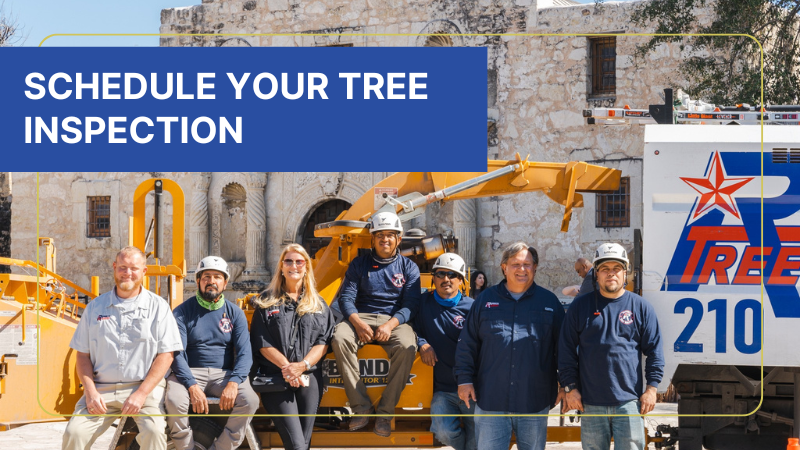
Have a Tree Question? Ask the Pros!
Scott sets the standard for how we look at trees.
Evan keeps the work coordinated and done safely.
Desiree keeps scheduling and communication moving.
Daniel evaluates trees and explains what the symptoms actually mean.
Together we would rather help you understand what you are seeing than have you guess.
Schedule Your Fall Tree Inspection Today
Phone: 210-480-TREE (8733)
Website: www.republictreeservice.com
ISA Certified Arborist | Fully Insured | Family Owned & Operated | Serving San Antonio & Surrounding Areas
Thank You for Trusting Republic Tree Service
Whether you need routine pruning, hazardous tree removal, stump grinding, or emergency storm response, our team is here to help.
Thank you for trusting Republic Tree Service with your trees. We appreciate the opportunity to serve our community and look forward to helping keep your property safe and beautiful for years to come.
Proudly serving San Antonio, Boerne, Fair Oaks Ranch, Helotes, Garden Ridge, Alamo Heights, Stone Oak, Shavano Park, Kendall County, Bexar County, Comal County, Guadalupe County, and many other surrounding communities.
Keep Your Trees Healthy. Keep Your Property Safe.
Keep Your Landscape Looking Its Best.